
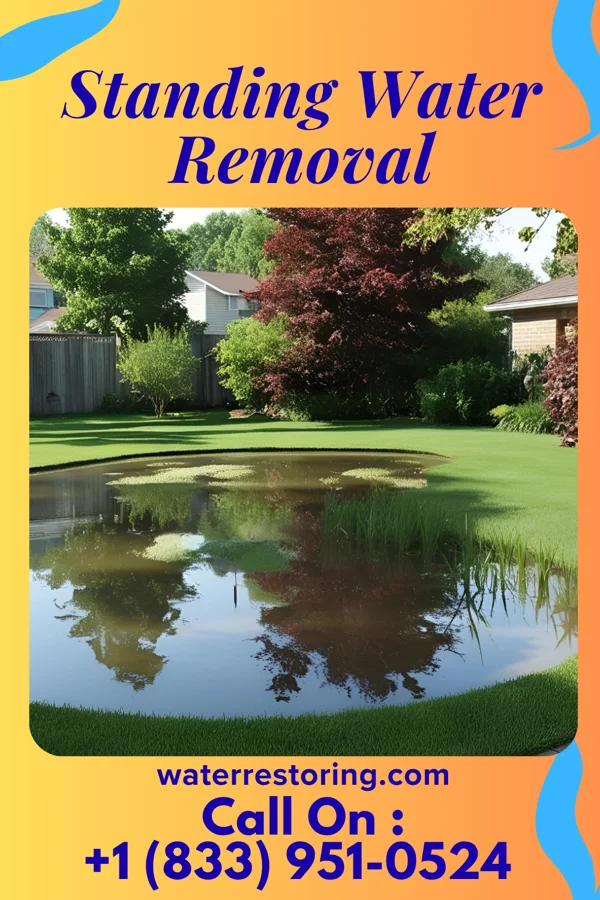
Ground-Water Standing Water in Blue Knob
Water damage in Blue Knob tends to cluster in predictable windows because of the local climate. In Blue Knob, Pennsylvania, the primary water damage cause is often due to burst pipes, especially during the colder months when frozen pipes can rupture. Additionally, heavy rainfall and snowmelt can lead to basement flooding, particularly in older homes with inadequate drainage systems. A close second is Secondary causes include sewer backups, which are common in rural areas with outdated plumbing systems, and groundwater seepage through cracks in foundation walls. Leaking roofs and HVAC systems also contribute to water damage in the region..
Blue Knob experiences a humid continental climate with cold winters and warm summers, increasing the risk of both freezing pipe damage and mold growth after water intrusion. The area's rural setting can also lead to slower drainage, exacerbating water accumulation issues.
Blue Knob experiences a humid continental climate with cold winters and warm summers, increasing the risk of both freezing pipe damage and mold growth after water intrusion. The area's rural setting can also lead to slower drainage, exacerbating water accumulation issues. The dominant local driver is In Blue Knob, Pennsylvania, the primary water damage cause is often due to burst pipes, especially during the colder months when frozen pipes can rupture. Additionally, heavy rainfall and snowmelt can lead to basement flooding, particularly in older homes with inadequate drainage systems., with Secondary causes include sewer backups, which are common in rural areas with outdated plumbing systems, and groundwater seepage through cracks in foundation walls. Leaking roofs and HVAC systems also contribute to water damage in the region. showing up as the next most common cause. Damage builds in stages. Spread. Absorption. Microbial growth. Structural compromise. Every stage you pass through adds to the final bill.